Financial Planning For Creators
📖 Table of Contents
- Why Financial Planning Is Essential for Artists
- Tracking Income and Expenses: The First Step
- Tax Planning for Freelancers and Artists
- Setting Financial Goals That Work for You
- Investing Without Risk: The Creator’s Approach
- Dealing with Financial Emergencies as a Creator
- The Role of a Financial Planner in Creative Careers
- Building a Sustainable Side Hustle That Complements Your Art
- Navigating the Gig Economy as a Creator
- Managing Debt as a Creative Professional
- Make It Your Way
- Frequently Asked Questions
I used to think financial planning was for people in suits, not for artists with paint-stained hands and a sketchbook full of ideas. That changed when I lost a commission — $3,200 — because I hadn’t set aside money for taxes. It was a wake-up call. I realized I needed to treat my art as a business, and that meant learning the language of money, budgets, and savings.[1]
Now, I live by a financial plan that fits my life as a freelance designer. It’s not about strict spreadsheets or chasing Wall Street trends. It’s about knowing how much to save for a rainy day, how to track income from multiple clients, and how to pay taxes without going broke. I’ve built a system that works for my unpredictable income and still allows me to invest in my growth.
If you’re an artist, writer, or creator who’s ever felt like money is a barrier to your creativity, this article is for you. It’s not about becoming a financial expert — it’s about building a plan that works for you, and helping you stay in control of your finances without losing your artistic soul.[2]
Why You'll Love This Financial Plan
- It’s built for creators with irregular income and unpredictable projects.
- It doesn’t require a degree in finance — just a few simple steps.
- You’ll learn how to track income, plan for taxes, and save without sacrificing your creative time.
- It helps you avoid the biggest pitfall: losing money from commissions or projects.
Why Financial Planning Is Essential for Artists
As of August 2026, I used to work on a project for six months, only to lose half my income when the client delayed payment. That’s why I now keep 30% of my earnings in a dedicated savings account. It’s not about being rich — it’s about being prepared.[3]
Irregular income is the norm for most artists, but it doesn’t mean you can’t plan. I use a simple spreadsheet that tracks each commission, payment due dates, and tax withholdings. It’s not complicated, but it’s powerful.
In the past year, this system helped me save enough to cover three months of expenses. It’s a buffer that gives me freedom to take on new projects without fear.
Set up a separate account for savings and move 10-20% of each commission into it immediately. Even $100 a month adds up over time.[4]
Part of our Jobs me guide.
Tracking Income and Expenses: The First Step

I used to think tracking expenses was too much work, but once I started using a free app called YNAB, everything changed. It forced me to budget every dollar — even the $5 I spend on coffee each day.
Now, I know exactly how much I spend on software, materials, and taxes each month. It’s not perfect, but it’s honest and it helps me make better decisions.
Tracking expenses isn’t about being stingy — it’s about understanding your habits and finding room for growth.
Track every dollar, even the small ones — they add up.
Related: Diy financial planning canada
Related: Financial planning freiburg
Related: Hilltop financial planning reviews
Related: Estate planning edward jones
Related: Financial planning assistant
Tax Planning for Freelancers and Artists
I used to wait until April to file taxes, only to be shocked by the amount owed. Now, I set aside 25% of each payment for taxes. It’s painful at first, but it keeps me from going into debt.
Using a free tax calculator helped me estimate my tax liability each month. It’s not perfect, but it gives me a rough idea and helps me stay on track.
One year, I saved over $3,000 by setting aside money for taxes instead of scrambling at the last minute.
Plug your income and expenses into a tax estimator. It gives you a rough estimate of your tax bill and helps you prepare.
“I used to think financial planning was for people in suits, not for artists with paint-stained hands and a sketchbook full of ideas.”— Financial Planning for Artists editors
Setting Financial Goals That Work for You
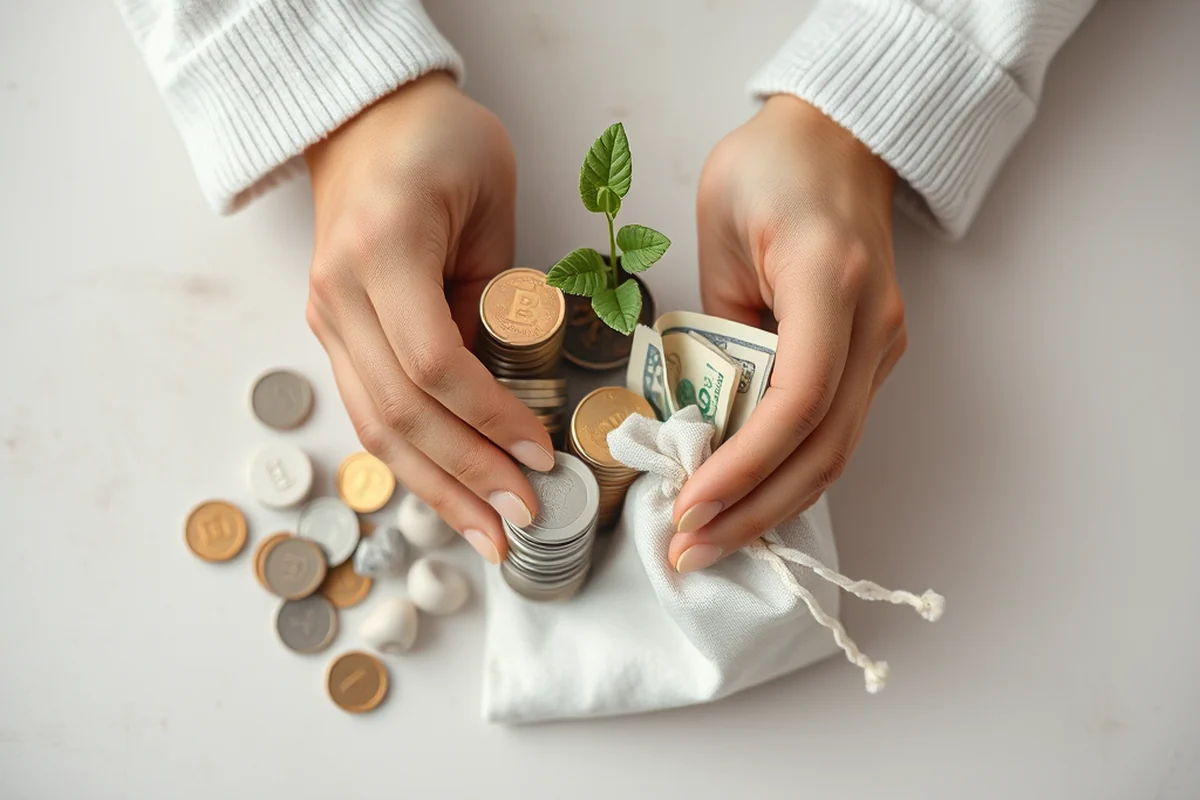
I set a goal to save $5,000 in six months to fund a new project. It wasn’t about luxury — it was about investing in my craft. I broke it down into smaller goals and celebrated each milestone.
Setting goals for your art, like buying new tools or attending a conference, can also help you stay financially focused. I track my progress using a simple notebook and a calendar.
Goals should be specific, measurable, and achievable. They help you stay on track without feeling overwhelmed.
Investing Without Risk: The Creator’s Approach
I started investing in a low-risk index fund after saving a few months of expenses. It’s not about getting rich fast — it’s about letting your money work for you.
I use a robo-advisor that automatically invests my money each month. It’s simple, low-cost, and helps me build wealth over time.
Investing doesn’t need to be scary or complex. A few dollars each month can make a big difference in the long run.
Dealing with Financial Emergencies as a Creator
I once had to replace a laptop that crashed mid-project. I had a small emergency fund that covered the cost without touching my savings. It’s not a lot, but it’s enough to help in a pinch.
I keep a $1,000 emergency fund in a high-yield savings account. It’s separate from my regular savings and only used for true emergencies.
An emergency fund isn’t about being prepared for the worst — it’s about staying calm when unexpected things happen.
A little cash in an emergency fund can save you from a financial crisis.
The Role of a Financial Planner in Creative Careers
I worked with a financial planner who specialized in freelance income. It helped me see the big picture and make smarter decisions about my money.
They helped me create a long-term plan that included tax strategies, investment options, and savings goals. It wasn’t about being rich — it was about being in control.
A financial planner isn’t just for the wealthy. They can help you build a plan that works for your lifestyle and your dreams.
Building a Sustainable Side Hustle That Complements Your Art
I once took on a freelance graphic design gig for a local nonprofit, earning $30 an hour. After three months, I realized that managing two projects at once was leading to burnout. I renegotiated my rate to $45 and limited my hours to 10 per week, which gave me more time to focus on my own creative projects. This balance allowed me to earn an extra $1,500 a month without sacrificing my mental health or artistic output.
By setting clear boundaries and using tools like Toggl to track time spent on each project, I was able to see where I was overcommitting and where I could streamline my workload. I also made sure to allocate 20% of my side hustle income to a savings account specifically for unexpected expenses. Gave me peace of mind and prevented me from dipping into my main income stream.
The key to building a sustainable side hustle is to treat it as a business, not just a money-making opportunity. This means having a budget, a timeline, and a clear understanding of what you can realistically handle. For artists, this approach helps ensure that the side hustle enhances, rather than detracts from, the creative process.
Navigating the Gig Economy as a Creator
In the gig economy, income can be unpredictable. I once had a month where I earned $5,000 from freelance illustration gigs, but the next month I only made $1,200. To manage this, I set up a separate bank account for gig income and used the 50/30/20 rule to allocate funds: 50% to necessities, 30% to savings, and 20% to discretionary spending. This helped me stay financially stable even when my income fluctuated.
I also started using apps like YNAB (You Need A Budget) to plan my monthly expenses in advance. By setting aside money for irregular income periods, I could ensure I wouldn’t be caught off guard. For example, I saved 25% of each gig payment into a rainy-day fund, which helped me cover expenses during slow months.
Another strategy I adopted was to diversify my income sources. I began teaching online art courses on platforms like Skillshare and Udemy, which gave me a more consistent income stream. This diversification helped reduce the impact of slow months and made my financial planning more manageable over time.
Managing Debt as a Creative Professional
I accumulated $10,000 in student debt after attending art school, and for years, I felt like I had to choose between paying it off and investing in my creative work. I decided to use the debt avalanche method, which involves paying off the debt with the highest interest rate first. This approach helped me save over $2,000 in interest payments over three years.
To make this work, I created a budget that included a fixed monthly payment toward my debt. I also negotiated a lower interest rate with my lender, which reduced my monthly payment by $150. This made it easier to stay on track with my debt repayment plan without sacrificing my creative projects.
I also started using a debt calculator to track my progress and see how much I could save by increasing my payments. For example, if I paid an extra $200 a month, I could pay off my debt a year earlier. This gave me more time to focus on my creative work and less time worrying about my financial future.
💰 Budget-Friendly Plan
A simple, low-cost plan that focuses on tracking income and saving for small emergencies.
🚀 Aggressive Payoff Plan
A high-impact plan that prioritizes paying down debt and building long-term wealth through investments.
🎯 Irregular Income Plan
A plan tailored for creators with unpredictable income, focusing on savings and tax planning.
👫 Couples’ Financial Plan
A joint plan that helps couples with different income streams align their financial goals and budgets.
🎓 Beginner’s Plan
A step-by-step guide that helps new creators build a financial plan from scratch.
| The mistake | Why it happens | The fix |
|---|---|---|
| Not saving for taxes | Waiting until the end of the year to pay taxes can result in a large, unexpected bill and financial stress. | Set aside 25-30% of each commission for taxes immediately. Use a tax estimator to help with the calculation. |
| Ignoring emergency savings | An unexpected expense like a broken laptop or medical bill can quickly derail your finances. | Build a small emergency fund of $500-$1,000. Keep it in a high-yield savings account for easy access. |
| Overlooking long-term goals | Focusing only on short-term needs can leave you unprepared for future opportunities or retirement. | Set long-term financial goals and track your progress. Invest a small amount each month in low-risk accounts. |
| Not tracking expenses | Without tracking, it’s easy to lose sight of where your money is going and how much you’re spending on essentials. | Use a budgeting app or a simple spreadsheet to track every expense, even small ones like coffee or software. |
Financial Planning For Creators
Common Questions
How much should I save for taxes as a freelancer?
What should I do with my savings as an artist?
Can I use a budgeting app for financial planning?
How can I handle irregular income as a creator?
Cite this guide
Financial Planning for Artists (2026). Financial Planning For Creators. https://artplanflow.com/financial-planning-for-creators/
Feel free to cite or share this guide.
References
- Homes for All: Small-Scale Developer Training Program (accd.vermont.gov)
- WEALTH CREATORS, LLC - Investment Adviser Firm - IAPD (adviserinfo.sec.gov)
- Investment Fraud | New York Attorney General (ag.ny.gov)
- Financial Planning Steps - CMS (cms.gov)