
Legacy Planning For Artists
📖 Table of Contents
I remember standing in my studio, surrounded by half-finished canvases and the faint scent of turpentine, when I first realized that my art wasn't just a way to make a living — it was a legacy in the making. Legacy planning for artists isn’t about grand gestures or museum exhibitions; it’s about ensuring your creative fingerprint stays visible long after your last brushstroke. For years, I ignored the idea of planning for the future, convinced that my work would speak for itself. But I’ve learned that without structure, even the most talented artists can leave behind a void.
Legacy planning for artists is the process of making sure your creative work, your values, and your financial contributions are preserved — not just for your own satisfaction, but for those who come after you. It might feel overwhelming, especially when you’re juggling deadlines, exhibitions, and the ever-changing tides of the art market. But I’ve found that breaking it down into manageable steps can make all the difference. Whether you’re a struggling muralist or a gallery darling, your legacy is worth protecting — and it starts with understanding what that truly means.
I used to think that legacy planning was only for the wealthy or the famous. That couldn’t be further from the truth. In fact, it’s a necessity for any artist who wants their work and their story to endure. I’ve watched friends and mentors leave behind incredible bodies of work that were never properly cataloged or protected. It’s heartbreaking. But through trial and error, I’ve discovered that even artists with limited resources can build a legacy that outlives their time on this planet — if they know where to start.
Why You'll Love This Approach to Legacy Planning
- It ensures your work and values are protected for future generations.
- You can maintain creative control over your legacy, even after you're gone.
- It helps you avoid common financial pitfalls that artists often face.
- It offers peace of mind, knowing your creative contributions are secure.
What Legacy Planning Really Means for Artists
As of August 2026, for many artists, legacy planning feels like a distant concern, something only the wealthy or the famous need to consider. But the truth is, anyone who creates art — whether you're a sculptor, a painter, or a digital artist — can benefit from planning ahead. It's not just about leaving behind a body of work; it's about making sure that work is valued, preserved, and accessible to others.
I once spent a weekend at a small artist residency. One of the senior artists there shared how he had spent years cataloging his work, digitizing his archives, and setting up trusts to ensure his pieces would be preserved. It was an eye-opening moment. He didn't have millions; he had a plan. That plan gave his work a chance to outlive him — and that, to me, is the power of legacy planning.
It's not about fame or fortune. It's about intention. When you take the time to plan, you're giving your future self — and the people who care about your art — a roadmap to follow.
Begin with one piece of your work — digitize it, document its history, and create a backup. Consistency is key when building a legacy.
Part of our Art agenda reviews guide.
The Financial Side of Legacy Planning
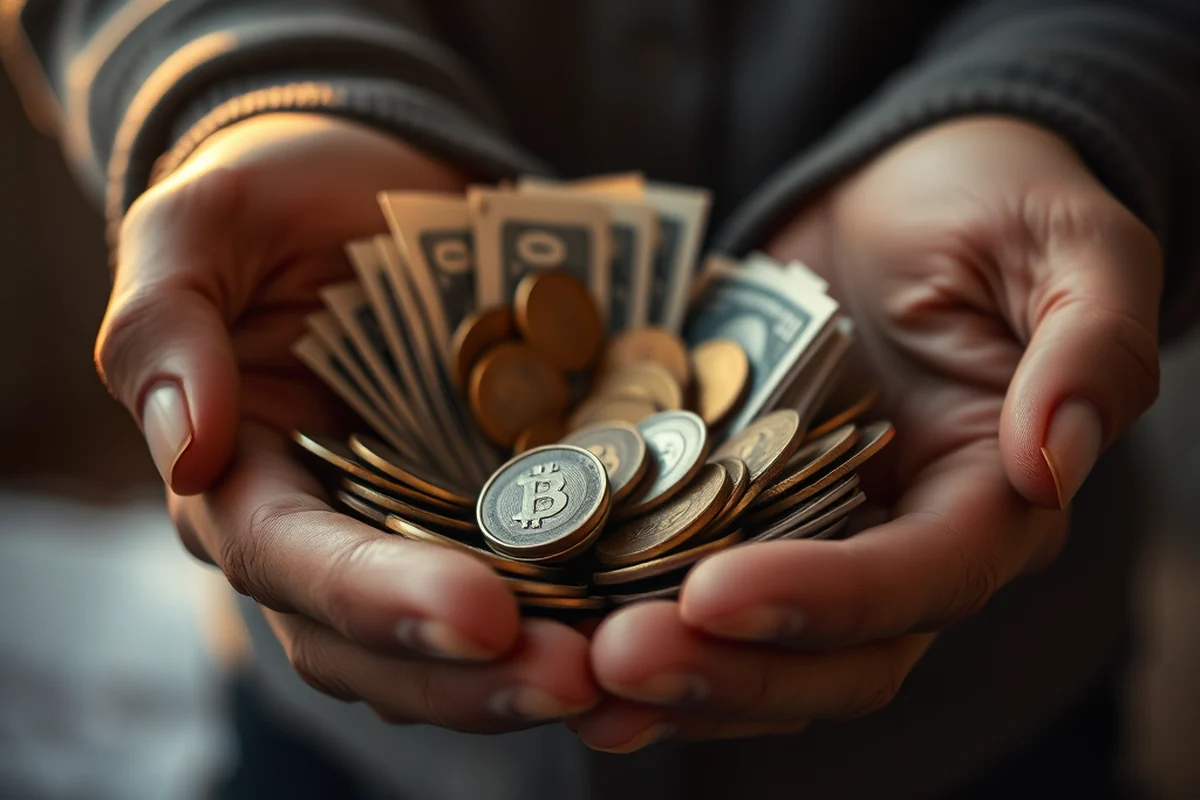
Many artists overlook the financial aspects of legacy planning, focusing instead on the creative side. But without proper financial strategies, even the most valuable artwork can be lost to taxes, legal disputes, or lack of funding. I've seen artists who had incredible collections that were later sold off due to poor estate planning — all because they hadn't considered the financial implications.
Setting up trusts, designating beneficiaries, and ensuring that your artwork is insurable are all essential steps. I once worked with a gallerist who helped me create a simple trust to protect my future income from my art sales. It was one of the most important financial decisions I've ever made.
Financial planning gives you control. It ensures that your work and the income it generates are handled according to your wishes, not by someone else's interpretation of what you might have wanted.[1]
Art is only as secure as the financial foundation behind it.
Related: Artist plan chest for sale
Related: What is plan artist
Related: Planning an art project
Related: Planning an art exhibition checklist
Related: Financial planning clip art
Related: National Association Of Realtors
How to Catalog Your Work Effectively
I once spent a full month organizing my art archives — and I can tell you, it was a revelation. I had pieces I had forgotten about, others that were duplicated, and a few that were missing. Cataloging your work gives you clarity and helps ensure nothing is lost to time.
I used a simple digital cataloging system, complete with high-resolution photos, detailed descriptions, and a timeline of each piece's creation. It took time, but it was worth it. You can use free tools like Google Drive or even Notion to build a database of your work.
Cataloging also helps you understand the value of your work. When you have a clear record of everything you've created, it becomes easier to assess which pieces are most valuable — both artistically and financially.
Create a digital catalog of your work using cloud storage and metadata. It makes your art more accessible and easier to manage over time.
“I remember standing in my studio, surrounded by half-finished canvases and the faint scent of turpentine, when I first realized that my art wasn't just…”— Financial Planning for Artists editors
Legal Considerations in Legacy Planning

Legal planning is often the most overlooked part of legacy planning for artists. I once ignored it for years, thinking that I didn't need a will or a trust — until I had a serious health scare. That experience taught me the importance of having a legally sound plan in place.
Working with an attorney who specializes in estate planning for artists can help you set up the right documents, such as wills, trusts, and copyright agreements. These documents ensure your work is protected, your wishes are followed, and your beneficiaries are taken care of.
I now have a will that clearly states how my art should be distributed after my death. It was a difficult process, but it gave me peace of mind knowing that my work would be handled according to my wishes.[2]
Preserving Your Art for the Future
Physical art requires careful handling and storage to prevent damage over time. I once had a painting that I kept in a damp basement for years — it was a mistake I never made again. Proper preservation techniques can mean the difference between a piece that lasts a lifetime and one that deteriorates in months.
I now store my physical work in a climate-controlled gallery space, and I use archival materials for framing and display. I also make sure to digitize each piece so that even if the original is lost, a digital copy remains.
Preserving your art doesn't just protect the physical piece — it preserves the story behind it. When your work is well-preserved, it's more likely to be appreciated and studied by future generations.
Passing On Your Creative Vision
Your legacy isn't just about what you created — it's about the values you lived by and the vision you wanted to leave behind. I once met an artist who had written a detailed letter explaining her artistic philosophy and how she wanted her work to be interpreted. It was a powerful reminder of how important it is to document your creative journey.
I now keep a journal where I write about my inspirations, techniques, and the stories behind my work. It's a living document that helps me understand my own creative process — and it will help others understand mine in the future.
Passing on your creative vision gives your work more meaning. It ensures that your art is not just admired, but understood — and that your legacy continues long after you're gone.
Your legacy is not just what you create — it's what you leave behind.
Making Legacy Planning a Habit
I used to think that legacy planning was something you did once and then forgot about — but the truth is, it's an ongoing process. It's like any other financial or creative habit: it requires time, attention, and regular review.
I now set aside 30 minutes every month to review my legacy plan, update my digital catalog, and make sure my legal documents are up to date. It might not seem like much, but it keeps everything in order.
Making legacy planning a habit ensures that your work and your wishes are always protected. It's a small investment of time that can have a huge impact on your future.
💰 Legacy Plan for a Tight Budget
Create a low-cost legacy plan using free tools and minimal legal assistance.
🚀 Aggressive Payoff Strategy
Accelerate your legacy planning with high-value investments in your work and legal protection.
📈 Legacy Plan for Irregular Income
Tailor your legacy plan to match the fluctuations of your income as an artist.
👩🎨🧑🎨 Couples’ Legacy Planning
Build a joint legacy plan that reflects both artists’ contributions and goals.
🖌️ Beginner’s Legacy Plan
Start small with a basic legacy plan that grows as your career develops.
| The mistake | Why it happens | The fix |
|---|---|---|
| Ignoring legal planning | Without proper legal documents, your work and wishes may not be followed after your death. | Consult an attorney to create a will, trust, or other legal documents that outline your wishes. |
| Failing to catalog your work | Without a clear record of your work, it becomes difficult to track, preserve, or sell your art in the future. | Use a digital cataloging system to document all your pieces, including high-resolution photos and descriptions. |
| Assuming your family will know how to handle your legacy | Family members may not understand the value of your work or how you want it to be managed after your death. | Have open conversations with your family about your wishes and provide them with clear documentation. |
| Putting off legacy planning until later | Procrastination can lead to missed opportunities and increased financial or legal risks down the line. | Start now, even with small steps. Legacy planning is a process that should be reviewed and updated regularly. |
Legacy Planning For Artists
Common Questions
Can I start legacy planning if I’m still early in my career?
Do I need a lawyer to plan my legacy?
How much does legacy planning cost?
Should I include my family in my legacy planning?
References
- Lecturer Juvana Soliven Selected as Joan Mitchell Fellow (hawaii.edu)
- Building a responsible innovation toolkit as project legacy (ncbi.nlm.nih.gov)
Cite this guide
Financial Planning for Artists (2026). Legacy Planning For Artists. https://artplanflow.com/legacy-planning-for-artists/
Feel free to cite or share this guide.