
Financial Management For Artists
📖 Table of Contents
- Why Financial Management for Artists Matters
- How to Set Realistic Prices for Your Art
- Building an Emergency Fund for Artists
- Managing Irregular Income as an Artist
- Investing in Your Artistic Career with Financial Planning
- Tax Planning for Artists
- Financial Management for Artists in a Relationship
- Tracking Expenses and Income with Artist-Specific Tools
- Negotiating Payment Terms with Clients and Galleries
- Make It Your Way
- Frequently Asked Questions
I once spent six months working on a commissioned piece, only to finish it and realize I had no idea how much I should charge for it. I had a vague idea of what I ‘worth’ but no real numbers, no tracking system, and no plan. That moment—standing in my studio with a half-finished painting and a spreadsheet that looked more like a grocery list—was a wake-up call. It wasn’t just about money; it was about survival. I needed to learn financial management for artists, not just to make ends meet, but to thrive in a world that often underestimates the value of creativity.
Financial management for artists isn’t about becoming a numbers cruncher—it’s about understanding the rhythm of your income and expenses, and aligning them with your creative process. I started by tracking every dollar that came in and out of my account for a month, and that exercise changed everything. I saw patterns I hadn’t noticed before, like how I spent $200 a month on art supplies I barely used, or how my irregular income made it hard to plan for the future. Learning to manage my finances with the same care I gave to my art transformed my life and my work.[1]
Now, I know that financial management for artists is not just about staying afloat—it’s about building a sustainable, joyful, and profitable creative career. Whether you’re a painter, a musician, a writer, or a sculptor, the tools and strategies I’ve discovered over the years can help you take control of your finances and focus on what you do best: creating. This article is your roadmap to financial freedom, written by someone who has been where you are and has found their way out.
Why You'll Love This Financial Strategy
- You’ll stop feeling like your money is disappearing into the void of creativity.
- You’ll learn how to set realistic prices for your work and still earn a living.
- You’ll build a safety net that supports you during slow months and unexpected expenses.
- You’ll gain confidence in your financial decisions, not just your artistic ones.
Why Financial Management for Artists Matters
As of August 2026, Artists often face irregular income and high overhead costs, making it crucial to understand and manage your finances. Without a clear financial plan, it's easy to run out of money during slow periods or unexpected expenses.
I learned this the hard way when I had to cancel a solo exhibition because I couldn’t afford the venue rental. It was a huge blow to my confidence and reputation. Since then, I’ve made it a priority to track my income and expenses closely.
Financial management for artists isn’t about giving up creativity—it’s about giving yourself the freedom to create without financial stress. It’s about knowing exactly where your money is going and how to grow it sustainably.
Use an app like Mint or You Need a Budget to track your income and expenses automatically. Review your spending weekly to spot patterns and cut unnecessary costs.
Part of our Finance guide.
How to Set Realistic Prices for Your Art

I used to set prices based on gut feelings, which left me underpaid and undervalued. Now, I calculate my costs, including materials, time, and overhead, and then add a profit margin.
For example, if a painting costs $200 in materials and takes 40 hours to complete, I factor in my hourly rate and the cost of living. This gives me a baseline price that covers my expenses and pays me fairly.
I also research similar artists in my field to see what they’re charging. This helps me stay competitive without undercutting myself. It's a delicate balance, but it’s worth the effort.[2]
Price your art like a business, not an art piece.
Related: Finance artists
Related: Financial assistance for artists
Related: Financial support for artists uk
Related: Artists Financial Management Group Llc
Related: Artist financial assistance
Building an Emergency Fund for Artists
I used to live paycheck to paycheck, and it was a constant source of anxiety. I finally decided to build an emergency fund by setting aside 10% of every income stream.
Even if it’s only $50 a month, that money adds up over time. I’ve had to use it a few times, and it’s been a lifesaver during slow periods or unexpected costs like medical bills or equipment repairs.
Having an emergency fund gives you peace of mind and the freedom to take creative risks without worrying about financial ruin. It’s one of the most important financial strategies I’ve adopted.
Set up a separate savings account for your emergency fund and automate transfers. Even $20 a week adds up to over $1,000 a year.
“I once spent six months working on a commissioned piece, only to finish it and realize I had no idea how much I should charge…”— Financial Planning for Artists editors
Related: Mitsubishi financial group artist
Related: Artists financial management group
Managing Irregular Income as an Artist
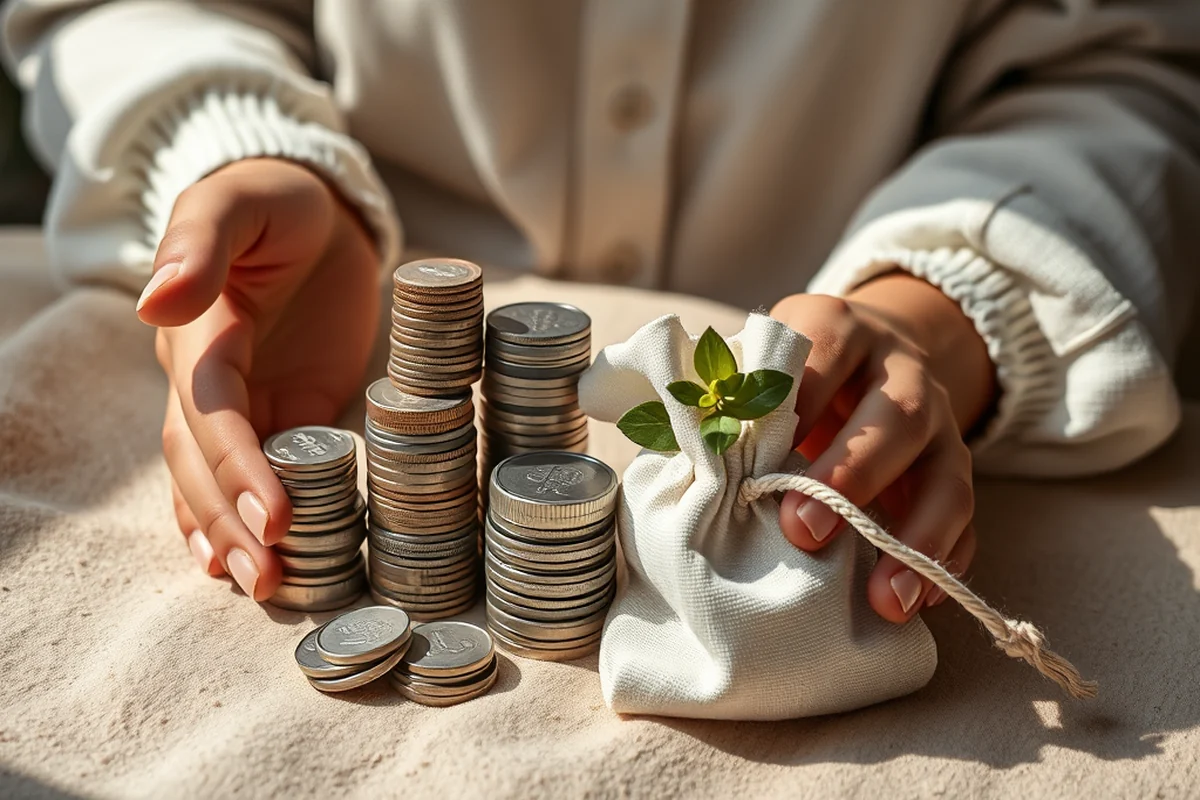
As an artist, your income can fluctuate wildly. Some months you may earn thousands, while others you earn nothing. This makes budgeting and financial planning particularly challenging.
To manage this, I use a system where I save 50% of my income during high-earning months. That money is set aside in a separate account and used during slow months to cover bills and expenses.
This strategy helps me maintain financial stability even when income is unpredictable. It’s not perfect, but it’s much better than living paycheck to paycheck.
Related: Finance and arts
Investing in Your Artistic Career with Financial Planning
I used to hesitate to invest in my career because I was worried about spending money I didn’t have. But once I had a financial plan in place, I felt confident making smart investments.
I’ve used some of my earnings to take online courses, buy better equipment, and hire a professional to help with marketing and branding. These investments have increased my visibility and income over time.
Investing in your artistic career doesn’t mean you have to spend a lot of money. It’s about making smart choices that align with your long-term goals and financial health.
Related: Painter financial group
Tax Planning for Artists
I used to wait until tax season to think about taxes, which led to stress and confusion. Now, I set aside a portion of my income for taxes throughout the year.
I also keep track of all my business expenses, from art supplies to studio rent, and use software like QuickBooks to manage my taxes efficiently.
Proper tax planning not only helps you save money but also gives you more control over your finances. It’s a crucial part of financial management for artists.
Tax planning is not an option—it’s a necessity.
Related: Artists financial management
Financial Management for Artists in a Relationship
When I started dating my partner, we had very different financial habits and approaches. It took time to find a system that worked for both of us.
We now use a joint budgeting app and have separate accounts for personal expenses. This allows us to share financial goals while maintaining individual freedom.
Communication is key. We sit down every month to review our finances, discuss any changes, and make sure we’re aligned in our financial goals and priorities.
Tracking Expenses and Income with Artist-Specific Tools
As an artist, tracking every dollar spent on materials, exhibitions, and marketing is crucial. I use apps like YNAB (You Need A Budget) to allocate specific amounts for supplies each month, ensuring I never overspend on paint or canvases. For instance, I set aside $200 a month for materials, which covers my needs for 4-5 small projects. This prevents me from depleting my savings on essentials I can’t afford to miss.
I also use QuickBooks Self-Employed to track income from sales and commissions. This helps me see exactly how much I’m earning from each source, which is especially useful when I have multiple clients or income streams. I noticed that 40% of my income came from commissions, while 60% was from sales — this helped me adjust my focus and pricing strategy.
By using these tools, I’ve been able to maintain a clear picture of my finances, even during slow periods. For example, during a three-month dry spell, I had $800 in my emergency fund to cover living expenses, which kept me from dipping into my main savings. This level of financial clarity is essential for long-term stability and growth.
Negotiating Payment Terms with Clients and Galleries
When working with clients or galleries, it's crucial to establish clear payment terms upfront. I recommend specifying payment deadlines, late fees, and preferred payment methods in your contract. For example, I set a 50% deposit upon agreement and the remaining 50% due 30 days after delivery. This approach has helped me avoid late payments and ensure cash flow stability. A late fee of 1.5% per month can also serve as a gentle reminder and protect your income.
I once worked with a gallery that required full payment upfront, which put me in a precarious position financially. After discussing it, we agreed on a 30% deposit and 70% upon delivery. This change not only improved my cash flow but also made the gallery more willing to work with me on future projects. Negotiating payment terms is a skill that can be developed with practice and confidence. Always have a contract ready and don't hesitate to ask for what you need.
To make negotiations easier, create a standard contract template that outlines your terms. Include details like project scope, delivery timelines, payment schedule, and cancellation policies. I use a contract tool that allows me to customize terms for each client. This has saved me hours of back-and-forth communication and has helped me establish professional boundaries. Remember, you're not just an artist — you're also a business owner, and your financial well-being matters.
💰 Tight Budget Plan
A simple and affordable financial strategy for artists on a limited income.
🚀 Aggressive Payoff Plan
A high-impact approach for artists looking to grow their finances quickly.
📈 Irregular Income Plan
A flexible financial plan for artists with unpredictable income streams.
🤝 Couples Financial Plan
A shared financial strategy for artists in a relationship.
👶 Beginner Financial Plan
A straightforward and easy-to-follow financial plan for new artists.
| The mistake | Why it happens | The fix |
|---|---|---|
| Ignoring Taxes | Not setting aside money for taxes can lead to penalties and financial stress. | Set aside 25-30% of your income for taxes and use tax software to stay organized. |
| Overlooking Expenses | Failing to track all expenses can lead to overspending and financial instability. | Use a budgeting app to track every expense and review it weekly. |
| Underpricing Your Work | Underpricing your work can lead to financial strain and undervaluation. | Calculate your costs, including materials and overhead, and add a profit margin. |
| Neglecting Emergency Savings | Not having an emergency fund can leave you vulnerable during slow periods or unexpected expenses. | Set aside at least 10% of your income in a separate savings account for emergencies. |
Financial Management For Artists
Common Questions
How can I track my income and expenses as an artist?
What should I charge for my art?
How do I build an emergency fund as an artist?
How can I manage irregular income as an artist?
References
- The Journal of Arts Management, Law, and Society Financing the Arts ... (academia.edu)
- Grade 4 English Language Arts Practice Test (doe.louisiana.gov)
Cite this guide
Financial Planning for Artists (2026). Financial Management For Artists. https://artplanflow.com/financial-management-for-artists/
Feel free to cite or share this guide.