
Artists Financial Management
📖 Table of Contents
I remember the first time I tried to track my income and expenses as an artist. I had a stack of receipts, a handful of credit card statements, and a vague idea that I needed to be doing something smarter with my money. I was painting portraits for local galleries and selling prints online, but I had no clear picture of where my money was going. It wasn’t until I sat down with a spreadsheet and started categorizing every single transaction that I realized how much I was spending on supplies, software. Even a few online courses I’d forgotten about. This was the beginning of my journey into artists financial management, and it changed everything.
Artists financial management is more than just tracking where money goes—it’s about creating systems that help you plan, save, and invest with confidence. I used to think that because I was an artist, I didn’t need to be as careful with money as someone in a traditional job. But the reality is that artists have unique financial needs and challenges, from irregular income to the cost of materials, marketing, and studio space. I learned the hard way that without a plan, it’s easy to get buried under debt or lose track of how much you’re actually earning.
Now, I manage my finances with tools that help me budget, save, and invest as if I were in any other profession. I track my income and expenses with apps like YNAB and QuickBooks, set aside money for taxes and emergencies, and even invest a portion of my earnings. This approach has given me peace of mind and the ability to focus on my art without constantly worrying about money. Artists financial management isn’t just about survival—it’s about thriving.
Why You'll Love This Approach to Artists Financial Management
- Gain clarity on where your money is going and how much you're earning.
- Create systems that help you save and invest consistently, even with irregular income.
- Reduce financial stress and increase your ability to focus on your art.
- Build a financial foundation that supports long-term growth and stability.
Why Artists Financial Management Is Essential
As of August 2026, many artists underestimate the importance of financial planning, assuming that their creative work will somehow take care of their financial needs. But in reality, the art world is competitive, and without a solid financial strategy, it’s easy to fall behind. I’ve seen countless artists struggle with debt, inconsistent income, and the inability to afford basic living expenses, all because they didn’t take financial management seriously.[1]
I used to think that as long as I sold enough work, I would be fine. But that’s not always the case. Sales can be inconsistent, and there are always unexpected expenses—like a new computer for editing videos, unexpected tax liabilities, or the cost of attending a gallery show. Without a plan, these costs can quickly add up and derail your financial stability.
By managing your finances as an artist, you can create a roadmap that helps you save, invest, and plan for the future. This isn’t just about survival—it’s about ensuring that your art can continue to thrive for years to come.
Sit down with all your income and expenses and create a realistic budget. This will give you a clear picture of where your money is going and help you make better financial decisions.
Part of our Finance guide.
Setting Financial Goals as an Artist

When I first started managing my finances, I had no idea what my goals should be. I just wanted to make sure I had enough money to survive. But over time, I realized that having specific financial goals—like saving for a studio upgrade or investing in a new piece of equipment—helped me stay focused and motivated.
I began setting short-term and long-term goals, such as saving $500 per month for emergencies and investing 10% of my income into a retirement fund. These goals gave me a sense of direction and helped me prioritize my spending.[2]
Setting financial goals as an artist allows you to align your spending with your vision. Whether you're aiming to buy your first home or fund a solo exhibition, having clear financial goals can help you make smarter financial decisions and achieve your dreams.
Goals are the compass that guides your financial journey as an artist.
Related: Finance artists
Related: Painter financial group
Related: Finance and arts
Related: Artists Financial Management Group
Related: Financial assistance for artists
Related: How Is Portfolio Management Services
Tracking Income and Expenses
One of the most important steps I took in managing my finances was tracking every single transaction. I used a simple spreadsheet to log my income from sales, commissions, and grants, as well as my expenses for materials, software, and gallery fees. This gave me a clear picture of where my money was going and helped me identify areas where I was overspending.
At first, it was difficult to stay consistent, but over time, it became second nature. I started using apps like YNAB and Mint to automate the process, which made it much easier to stay on top of my finances.
By tracking your income and expenses, you can create a more accurate financial picture and make informed decisions about your spending and savings. This is especially important for artists, whose income can be irregular and unpredictable.
Automate your financial tracking with apps that can sync with your bank accounts and credit cards. This will save you time and help you stay on top of your finances without having to manually input every transaction.
“I remember the first time I tried to track my income and expenses as an artist.”— Financial Planning for Artists editors
Creating a Sustainable Budget
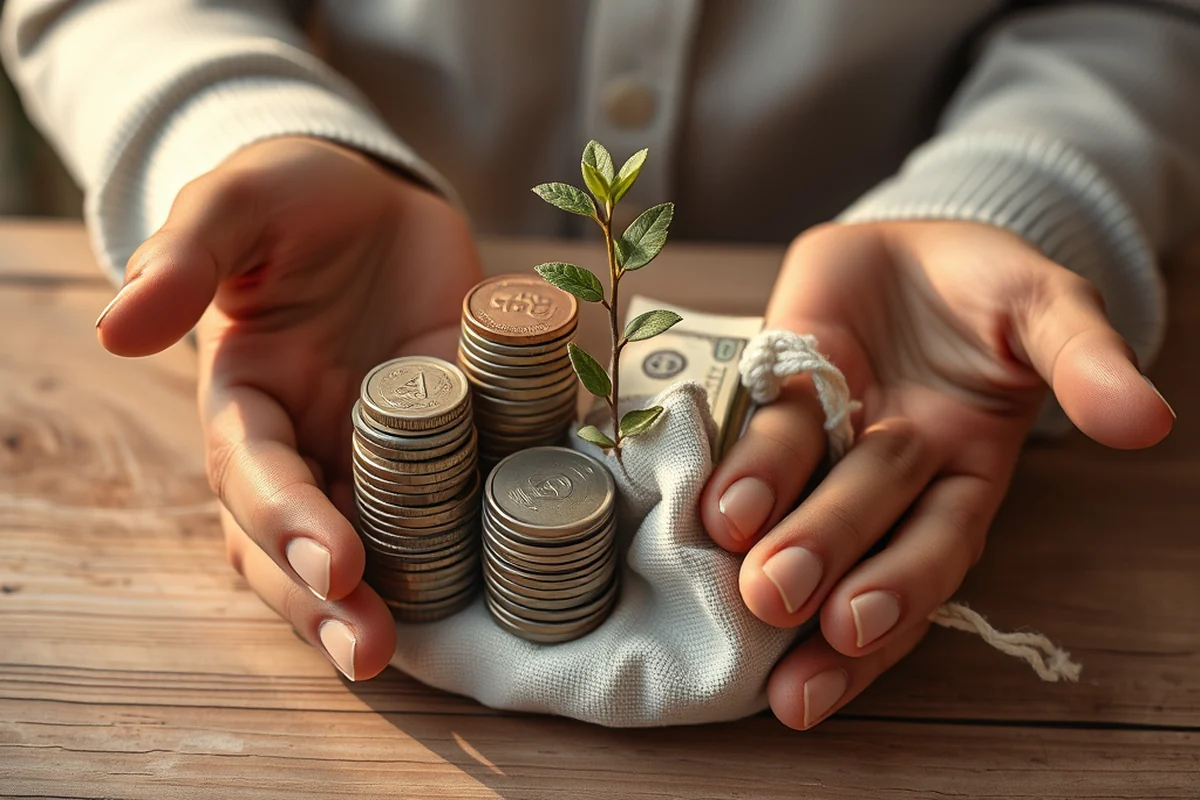
Creating a budget that works for your lifestyle and income is crucial for long-term financial stability. I used to try to live on the money I earned from sales alone, but that often left me in a tight spot when I had unexpected expenses. Now, I follow a budget that includes my income from multiple sources, such as commissions, grants, and online sales.
I allocate a certain percentage of my income to different categories, such as materials, software, taxes, and savings. This helps me stay within my limits and avoid overspending on unnecessary items.
A well-structured budget gives you control over your finances and helps you make decisions that align with your long-term goals. Whether you're an emerging artist or a seasoned professional, a sustainable budget can help you manage your finances with confidence.
Saving and Investing as an Artist
I used to think that saving and investing were only for people with high incomes, but I quickly learned that even artists with modest incomes can benefit from these strategies. I started by setting aside a small percentage of my income each month for savings and investing, and over time, it added up.
I invested in low-cost index funds and set up automatic contributions to a retirement account. This helped me build a financial cushion and ensure that I was saving for the future, even when my income fluctuated.
By saving and investing as an artist, you can create a financial safety net that helps you weather the ups and downs of the art world. This is especially important for artists who rely on irregular income and want to build long-term stability.
Managing Taxes as an Artist
One of the biggest mistakes I made early on was not keeping track of my taxes. I assumed that as long as I had a job, I didn’t need to worry about taxes, but that was a mistake. I ended up owing a large amount of money in back taxes, which was both stressful and expensive.
I started keeping track of all my income and expenses in a dedicated tax account. I also set aside money for taxes each month, which helped me avoid surprises at tax time.
By managing your taxes as an artist, you can reduce your tax liability and avoid unexpected financial stress. This is especially important for artists who have multiple income streams or who receive income from clients and commissions.
Taxes are a reality for artists, but with proper planning, they can be managed effectively.
Building a Financial Safety Net
I used to think that I didn’t need an emergency fund because I was an artist and my income was reliable. But the reality is that artists face income fluctuations, and without a financial safety net, it’s easy to be caught off guard.
I started by setting aside 10-20% of my income into an emergency fund. This gave me a financial cushion that helped me cover unexpected expenses without having to take on debt or dip into my savings.[3]
By building a financial safety net, you can protect yourself from unexpected expenses and ensure that you’re always prepared for the unexpected. This is especially important for artists who rely on irregular income and want to avoid financial stress.
💰 Tight Budget Plan
This plan is ideal for artists with limited income who want to manage their finances carefully and build a sustainable budget.
🚀 Aggressive Payoff Plan
This plan is for artists who want to pay off debt quickly and invest aggressively in their financial future.
📈 Irregular Income Plan
This plan is designed for artists with fluctuating income who want to manage their finances effectively despite inconsistent earnings.
👫 Couples Plan
This plan is tailored for artists who are in a relationship and want to manage their finances together as a team.
🌱 Beginner Plan
This plan is perfect for artists who are just starting out and want to build a solid financial foundation.
| The mistake | Why it happens | The fix |
|---|---|---|
| Not tracking income and expenses | Failing to track income and expenses can lead to financial stress, overspending, and a lack of clarity about where your money is going. | Start by using a budgeting app or spreadsheet to track every transaction. This will help you gain insight into your spending habits and make better financial decisions. |
| Ignoring taxes | Ignoring taxes can result in unexpected liabilities, fines, and financial stress, especially for artists who have multiple income streams. | Set aside money for taxes each month and consider consulting with a tax professional who understands the needs of artists and self-employed individuals. |
| Not having a financial safety net | Without a financial safety net, artists are at risk of being caught off guard by unexpected expenses or income fluctuations. | Start by building an emergency fund that covers 3-6 months of living expenses. This will give you a financial cushion to fall back on when needed. |
| Not setting clear financial goals | Not having clear financial goals can lead to poor financial decisions and a lack of direction in managing your money. | Set both short-term and long-term financial goals that align with your artistic vision and lifestyle. This will help you stay focused and motivated. |
Artists Financial Management
Common Questions
How can artists manage their finances with irregular income?
What are the best tools for artists financial management?
How much should artists save each month?
How can artists manage taxes effectively?
Cite this guide
Financial Planning for Artists (2026). Artists Financial Management. https://artplanflow.com/artists-financial-management/[4]
Feel free to cite or share this guide.
References
- ARTIST CAPITAL MANAGEMENT LLC - Investment Adviser Firm (adviserinfo.sec.gov)
- Torpedo Factory Arts Center Request For ... - AlexandriaVA.Gov (alexandriava.gov)
- Agents and Business Managers of Artists, Performers, and Athletes (apprenticeship.gov)
- Exploring Financial Literacy of Independent Musicians in the Gig ... (aquila.usm.edu)