
King County Public Records
📖 Table of Contents
- Understanding the Basics of King County Public Records
- How to Access King County Public Records
- Using King County Public Records for Financial Planning
- Avoiding Common Pitfalls with King County Public Records
- Financial Planning Tips for Artists and Small Business Owners
- Staying Updated with King County Public Records
- The Role of King County Public Records in Long-Term Financial Planning
- Make It Your Way
- Frequently Asked Questions
The first time I tried to access King County public records, I was overwhelmed. I had no idea where to start, what to look for, or how to make sense of the information once I found it. This wasn’t just about curiosity — I was trying to track down a long-lost rental agreement from a decade ago. It turned into a month-long journey with more dead ends than I expected. The process taught me that King County public records, while a powerful tool, are not always intuitive for the everyday person.[1]
As an artist and small business owner, managing personal and professional finances can be a balancing act. I’ve learned that King County public records offer a hidden layer of financial transparency that many people overlook. Whether it's checking property ownership, uncovering lien information, or verifying business registration, these records can be a goldmine for someone who knows how to dig — and how to use that information wisely.
Over time, I’ve refined my own approach to using King County public records, and it’s become a cornerstone of my financial strategy. It’s not just about avoiding debt or tracking income — it's about empowerment. Knowing what’s out there, and how to access it, allows you to take control of your financial story. King County public records are a tool, but only if you know how to wield them effectively.
Why You'll Love This ...
- Gain access to crucial financial insights with ease.
- Uncover hidden opportunities and threats in your name.
- Empower your financial decisions with factual data.
- Save time and money by avoiding unnecessary risks.
Understanding the Basics of King County Public Records
As of October 2026, King County public records are more than just historical archives — they're a living, breathing source of financial information that can impact your life in unexpected ways. Whether you're an artist, a small business owner, or someone trying to rebuild their financial standing, knowing where to look and what to look for is essential. For example, I once used these records to discover a hidden lien on a property I thought was fully paid off, which saved me from a costly mistake.
These records can include property tax information, business licenses, and even court filings. I remember one instance where I was planning to rent out a studio space and used King County public records to confirm the owner’s financial history — it turned out the landlord had a bankruptcy filing that wasn’t on their resume. That helped me negotiate a better deal.
It's also important to note that not all records are accessible to the public, and some may require a fee or a formal request. Understanding the nuances of what's available and what's not is part of the learning curve, but it's a necessary step for anyone serious about using these resources.
Be aware that some records, such as those related to personal criminal history, may not be available to the public. Always check the exact requirements for accessing sensitive information.
Part of our Money band jamie lee guide.
How to Access King County Public Records
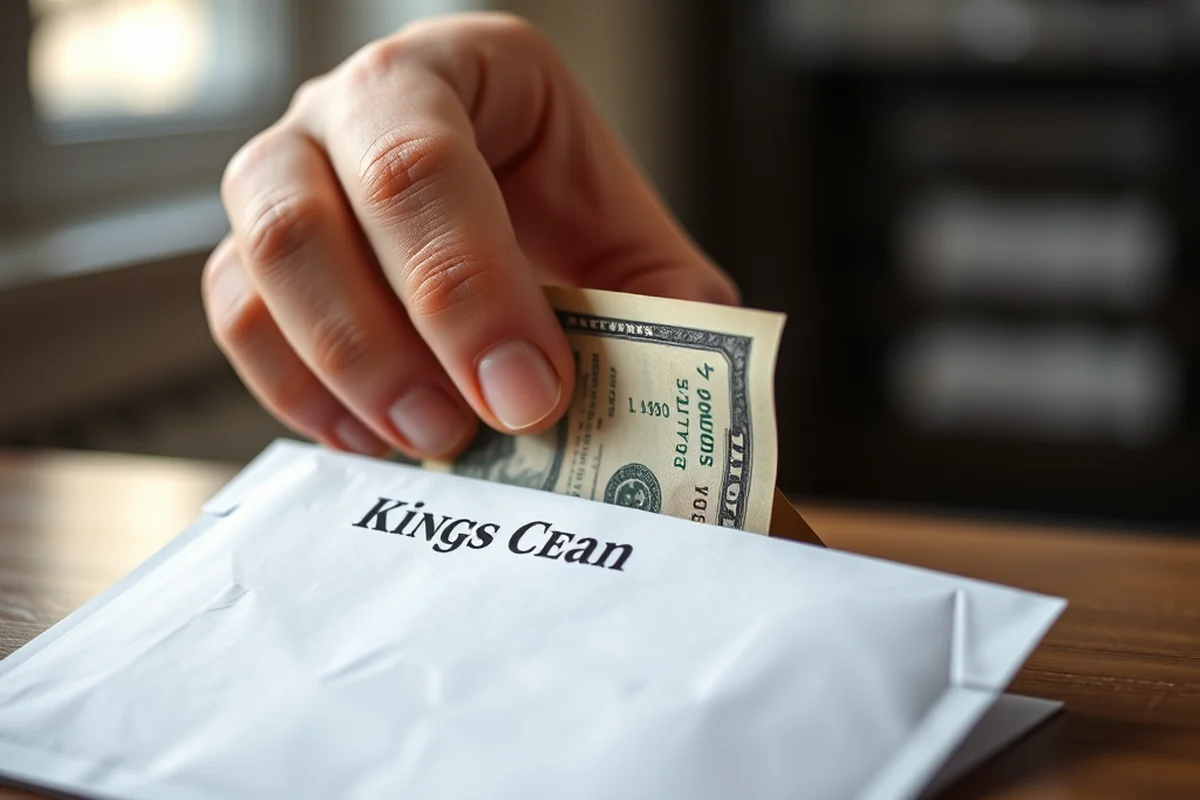
I typically start by visiting the official King County website, where most records are available for free. It's a digital archive that can be searched by name, address, or document type. I've found that using specific keywords, such as 'business license' or 'property tax,' makes the search much more efficient. I once spent an afternoon trying to find a business registration for a gallery I worked with — and the search took just five minutes once I used the right terms.
For those who prefer in-person access, the King County Clerk’s Office offers walk-in services. I’ve visited there once, and it was a bit time-consuming, but they provided a detailed explanation of the records available. It's a good option if you're new to the process and need hands-on guidance.
In some cases, you may need to submit a formal request for specific documents that aren't available online. This can take up to a week, depending on the agency, and sometimes there's a small fee involved. I've had to do this once for a court filing, and it was worth the wait — it gave me clarity I needed for a financial dispute.
The best way to start is with a simple online search — it might take minutes, not hours.
Related: Linn county recorder s office
Using King County Public Records for Financial Planning
I use King County public records to verify property ownership before entering any rental or purchase agreement. It’s a small step that can save you from large financial headaches. I once discovered that a landlord was not the true owner of a property — the records showed that the property was in a trust, and that led to a renegotiation of the lease terms.
For artists and small business owners, these records can reveal the financial health of other businesses or individuals you may be considering partnering with. I’ve used them to check the background of a potential collaborator and found out they had a history of financial instability — a detail that was crucial in making an informed decision.
Beyond personal use, these records can also help you identify opportunities. I once found a small business that had been dissolved but had valuable assets that were still listed in the public records. It led to an unexpected partnership that boosted my income.
Sometimes, dissolved businesses have assets or liabilities that can be valuable to know. Use the public records to see if a business has been formally closed and whether any records remain.
“The first time I tried to access King County public records, I was overwhelmed.”— Financial Planning for Artists editors
Related: Lee associates commercial real estate
Avoiding Common Pitfalls with King County Public Records

One common pitfall is assuming that all information is up-to-date. I once relied on an old property tax record and was surprised when the current owner had a completely different financial history. Always double-check the dates and verify that the information reflects the most recent updates.
Another mistake is not knowing the difference between public and non-public records. I’ve tried accessing information that was restricted and had to go through a formal request process — something I could have avoided by understanding the limitations upfront.
Finally, don’t forget that some records may not be easily accessible, especially if they’re part of a different agency’s database. I’ve had to follow up multiple times to get the information I needed, so patience is a key component of this process.
Related: King county records search
Financial Planning Tips for Artists and Small Business Owners
I’ve found that using these records to track property and business liability is a powerful practice. I once checked the public records for a gallery I was considering renting and found that there was a pending lawsuit — a detail that helped me avoid a potential financial risk.
For small business owners, these records can help in verifying the financial background of potential partners or clients. I used them to check the history of a supplier I was considering working with — and it turned out they had a history of non-payment. Influenced my decision to choose a different vendor.
Also, these records can be a resource for identifying local opportunities, such as grants or business incentives. I once found a program for artists based on a public record, which helped me secure additional funding for a project.
Related: Lee county utilities
Staying Updated with King County Public Records
I’ve set up a routine to check King County public records every few weeks, especially when I'm involved in property or business decisions. It’s a small commitment that can have a big impact over time. I once noticed a change in a business owner’s financial history, which led me to renegotiate a contract.
Setting up email alerts or using online tools can also help you stay informed about changes to public records. I’ve used a few third-party platforms that aggregate public records and notify you when something changes — it's a useful feature that saves time.
Lastly, staying informed doesn’t mean you have to spend hours each week on this. I find that dedicating 15 minutes a week is enough to stay on top of the most important updates, especially when you know what to look for.[2]
Small, consistent updates can lead to big financial wins.
Related: Martin county building department
The Role of King County Public Records in Long-Term Financial Planning
I’ve used these records to track my own financial history, especially with property ownership or business filings. It’s a way to ensure that everything is in order and that I’m making informed decisions about the future. I once discovered an old lien that was still active on a property I thought was clear — the records helped me resolve it before it became a larger issue.
For artists, these records can help in managing personal finances by uncovering hidden liabilities or opportunities. I’ve found that checking my own records periodically helps me stay aware of any changes that could impact my financial stability.
In the long run, these records serve as a reference point for financial decisions. They can help in verifying income sources, identifying potential risks, and ensuring that your financial plan is built on accurate information.
💰 Budget-Friendly Access
Use the King County website to access most records for free and avoid costly fees.
🚀 Aggressive Financial Strategy
Leverage King County public records to uncover opportunities for growth and investment.
📉 Irregular Income Management
Track financial updates and liabilities to manage income fluctuations with greater ease.
👫 Couples and Shared Financial Planning
Use public records to ensure transparency and shared understanding of financial decisions.
🧭 Beginner-Friendly Approach
Start with basic searches and gradually expand your knowledge of King County public records.
| The mistake | Why it happens | The fix |
|---|---|---|
| Assuming all records are up to date. | Older records may not reflect recent changes in property or business ownership, which can lead to incorrect financial decisions. | Always verify the date of the record and cross-check with other sources if possible. |
| Not understanding the difference between public and non-public records. | Some information is restricted and cannot be accessed without a formal request or legal authority. | Review the King County public records guidelines before requesting any sensitive information. |
| Failing to track updates or changes to records. | Financial situations can change over time, and ignoring updates can lead to missed opportunities or risks. | Set up a routine to periodically check for updates and use online tools to stay informed. |
| Relying solely on public records for major financial decisions. | While public records are a valuable resource, they may not provide a complete picture of a person’s or business’s financial health. | Use public records as one of several tools in your financial planning, not the only source. |
King County Public Records
Common Questions
Can I access King County public records for free?
How long does it take to get a record through a formal request?
Are my personal records protected from public access?
Can I use King County public records to find job opportunities?
References
- Clerk-Recorder - Kings County (countyofkingsca.gov)
- KCC chapter 2.98 - To Parent Directory - King County (aqua.kingcounty.gov)
Cite this guide
Financial Planning for Artists (2026). King County Public Records. https://artplanflow.com/king-county-public-records/
Feel free to cite or share this guide.