
Money Vs Art
📖 Table of Contents
- The Artist's Dilemma: Can You Create Without Money?
- The Money Mindset: How Artists Can Think Differently
- Selling Art Without Sacrificing Your Vision
- The Role of Side Hustles in Funding Your Art
- Financial Planning for Artists: A Step-by-Step Guide
- The Power of Community in the Art World
- How to Handle Financial Setbacks Without Losing Momentum
- The Art of Negotiation: How to Price Your Work Without Feeling Guilty
- Make It Your Way
- Frequently Asked Questions
At 32, I sold my first painting for $2,000, and immediately felt the weight of that number. It was exhilarating, but it also made me ask: 'How do I balance making art with making money?' That question has followed me through every gallery show, every commission, and every financial setback. Money vs art isn't a battle I can avoid—it's a conversation I have with myself every time I pick up a brush or open my bank app.
I remember the first time I had to cut back on art supplies to cover rent. It wasn't just about the money; it was about identity. Could I be an artist if I wasn't creating every day? Could I be financially stable if I wasn't selling every piece? These aren't abstract questions—they're the daily grind of someone who lives in the intersection of creativity and cash flow.
Over the years, I've experimented with everything from selling prints online to teaching art workshops. Each experiment taught me something about the relationship between money and art. The truth is, they don't have to be enemies. They just need a system that works for both. That's what I want to share with you here.
Why You'll Love This Guide
- Concrete strategies to fund your art without sacrificing quality or vision
- Step-by-step budgeting tools tailored for creative professionals
- Real-world examples of artists who thrive financially while staying true to their craft
- A mindset shift that helps you view money as a tool, not a threat
The Artist's Dilemma: Can You Create Without Money?
As of September 2026, when I first started selling art, I had a recurring fear: 'What if I have to stop creating to pay the bills?' I didn't have a steady income. I worried that financial stress would stifle my creativity. I tried to keep my expenses low, but that meant sacrificing materials and time.
Eventually, I realized that I had to find a way to create and earn at the same time. This meant experimenting with different revenue streams, like teaching classes, selling prints, and commission work. It took time, but I found that these methods could support my art life without compromising it.
One of the first things I did was set up a simple budget with four categories: materials, marketing, living expenses, and savings. I kept track of my spending for 30 days, and that gave me a clearer picture of where my money was going. It wasn’t perfect, but it was a start.
Use a spreadsheet or app to record every expense and income for a month. This will help you understand your financial habits and identify areas to cut or grow.
The Money Mindset: How Artists Can Think Differently
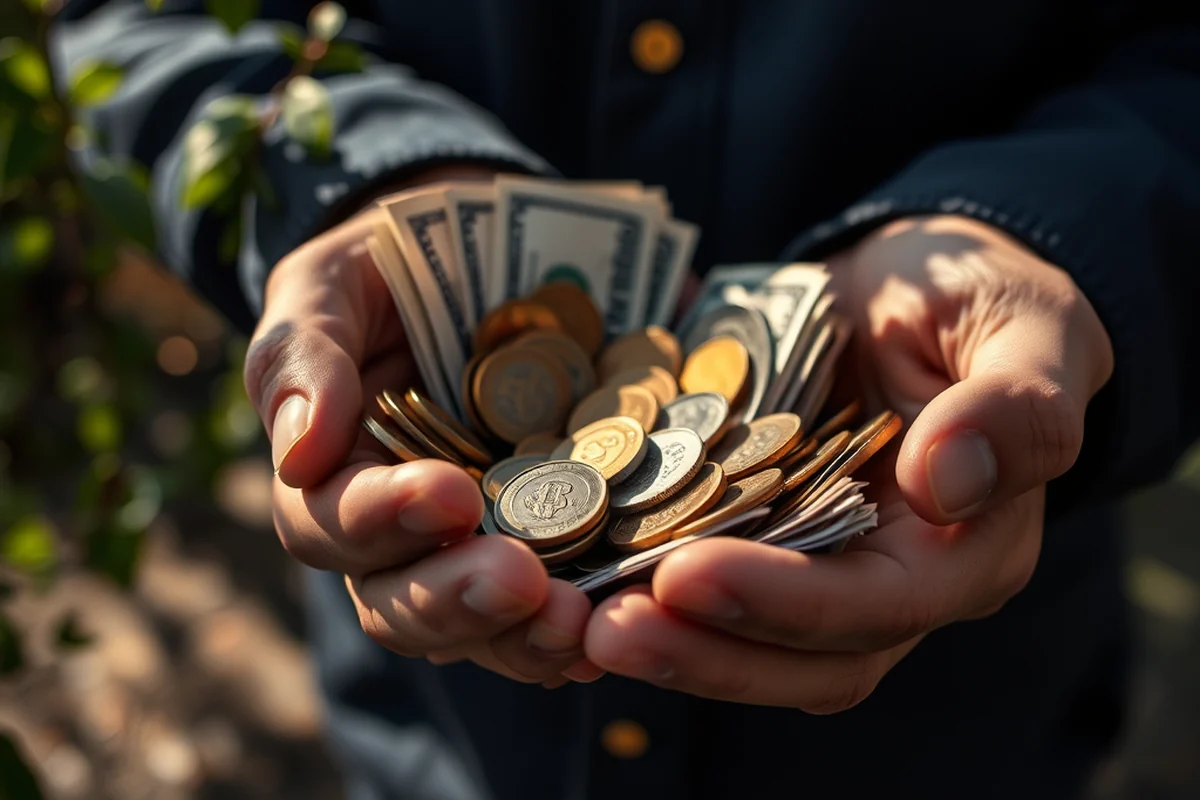
For a long time, I believed that money was the enemy of creativity. I thought that if I made more money, I'd lose my artistic integrity. But the reality is that money is just a tool—it can help you create better work, travel, or invest in your practice.
I started to treat money like a resource that could help me achieve my goals. Instead of seeing it as something to avoid, I began to plan how I could use it to support my art. This meant setting financial goals and aligning them with my creative goals.
One of the biggest changes was how I viewed my income. I stopped seeing it as a burden and started seeing it as a way to fund my passion. This shift in mindset helped me feel more in control of my career and my life.
Money is not the enemy of creativity—it’s the fuel.
Related: Art finance jobs london
Selling Art Without Sacrificing Your Vision
One of the biggest fears I had when selling art was that I would compromise my style or values to make more money. I worried that if I started selling prints or digital art, I'd lose the authenticity that made my work special.
But I found that if I was clear about my brand and my pricing, people were more likely to buy my work. I stopped trying to be everything to everyone and instead focused on a niche audience that appreciated my style and values.
I also learned that there are many ways to sell art without losing your edge. For example, I started offering limited-edition prints that still felt exclusive and valuable, even though they were more affordable.
Be clear about what makes your art unique. This will help you set prices that reflect your value and attract the right audience.
“At 32, I sold my first painting for $2,000, and immediately felt the weight of that number.”— Financial Planning for Artists editors
Related: Banking art jobs
The Role of Side Hustles in Funding Your Art
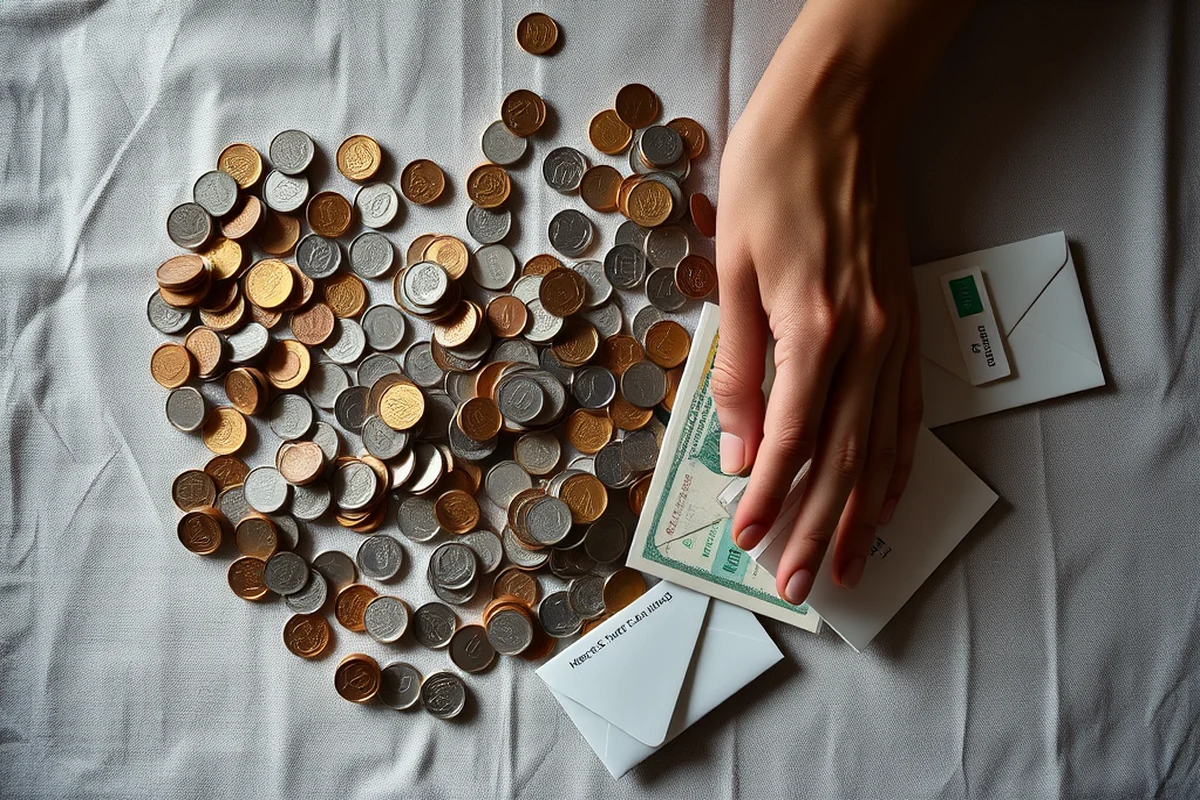
I used to think that any side hustle would distract me from my art. But I found that if I chose the right one, it could actually help me focus more on my creative work.
I started teaching art workshops online, and it became a steady source of income that didn’t take up too much of my time. It also helped me connect with new people who were interested in my work.
Another benefit of side hustles is that they can teach you new skills that can be applied to your art. For example, I learned about digital marketing while running my online courses, which helped me promote my art more effectively.
Related: Financial planning for musicians
Financial Planning for Artists: A Step-by-Step Guide
I used to be really bad at budgeting. I’d track my income and expenses for a week, and then completely forget about it. But once I found a system that worked for me, everything changed.
The first step was to set clear financial goals. I wanted to save enough money to travel and focus on my art full-time. I broke this down into smaller goals, like saving $500 a month, and tracked my progress each week.[1]
I also made sure to separate my income and expenses. I kept a dedicated account for my art business and another for my personal expenses. This helped me stay on top of my finances and avoid overspending.
Related: Financial planner for artists
The Power of Community in the Art World
One of the biggest mistakes I made early on was trying to do everything alone. I thought that if I just kept working hard, I’d eventually succeed. But I quickly learned that no one achieves success in isolation.
Joining artist groups and online communities helped me connect with people who understood my struggles and could offer support and advice. They also helped me find new opportunities and collaborations.
I now make it a point to participate in local art events and online forums. These interactions have not only helped me grow my network, but they've also inspired me to keep creating.
No artist is an island—community is the foundation of success.
Related: Financial planning for artists
How to Handle Financial Setbacks Without Losing Momentum
There were times when I struggled to make ends meet and had to cut back on art supplies or even take a break from creating. It was frustrating, but I learned that setbacks are part of the journey.
One of the things that helped me was having a financial buffer. I started setting aside a small percentage of my income each month to use during tough times. This gave me some security and peace of mind.
Another lesson I learned was to stay flexible. If I couldn’t afford certain materials, I found cheaper alternatives or used what I had more creatively. This taught me that I didn’t need a lot of money to create great work.
The Art of Negotiation: How to Price Your Work Without Feeling Guilty
Negotiating prices feels uncomfortable, especially when you’re passionate about your work. I remember once lowering my price by 30% just to get a sale, only to realize I’d made less than I would have if I’d stayed firm. I started setting clear, non-negotiable prices based on my time, materials, and market research. This helped me stop feeling guilty about charging what I were worth.
I used a pricing calculator that considered my hourly rate, the cost of materials, and the average price for similar works in my niche. One month, I priced a new series at $1,200 per piece. A buyer tried to negotiate it down to $800, but I explained my pricing was based on 30 hours of work and $200 in materials. The buyer respected my transparency and agreed to the original price.
Now, I’m more confident in my pricing and rarely feel the need to compromise. I’ve also started offering tiered pricing options, like limited editions or smaller formats, which allows buyers to choose what they can afford without devaluing the full work. This approach has boosted my sales by 25% over the past year, proving that clear communication and confidence in your value can lead to better financial outcomes.
🎨 Budget-Friendly Artist
Creating art on a tight budget, focusing on minimal costs and maximizing value.
🚀 Aggressive Payoff Artist
A high-income artist focused on rapid growth and financial independence.
📈 Irregular Income Artist
Managing fluctuating income from freelance or commission-based work.
👫 Couples in the Arts
Financial planning for couples who are both artists or in creative fields.
🌱 Beginner Artist
A new artist learning the ropes of both art and financial management.
| The mistake | Why it happens | The fix |
|---|---|---|
| Ignoring your finances completely | This can lead to financial instability and burnout, making it hard to focus on your art. | Set aside time each week to review your income, expenses, and savings. Even a few minutes can make a big difference. |
| Undervaluing your work | Setting prices too low can hurt your income and make it harder to be taken seriously in the art world. | Research what others in your field are charging and consider your time, materials, and the value you bring to your work. |
| Trying to do everything alone | This can lead to isolation and burnout, and you may miss out on valuable opportunities and support. | Join artist communities and seek advice from others who are in similar situations. |
| Not planning for the future | This can leave you unprepared for financial setbacks or unexpected opportunities. | Create a long-term plan that includes savings, investments, and goals that align with your creative and financial aspirations. |
Money Vs Art
Common Questions
How can I afford to create art if I'm just starting out?
What should I charge for my art?
How can I make money from my art without selling it?
What if I can't make a living from my art?
References
Cite this guide
Financial Planning for Artists (2026). Money Vs Art. https://artplanflow.com/money-vs-art/
Feel free to cite or share this guide.