Florida Real Estate Commission
📖 Table of Contents
- What is the Florida Real Estate Commission?
- The Role of the Florida Real Estate Commission in Licensing
- Continuing Education Requirements
- Disciplinary Actions and Ethics
- The Commission's Impact on Real Estate Professionals
- How to Get Involved with the Florida Real Estate Commission
- The Future of the Florida Real Estate Commission
- The Financial Implications of Commission Fees on Real Estate Professionals
- Make It Your Way
- Frequently Asked Questions
I still remember the day I walked into the Florida Real Estate Commission office with a folder full of documents, my hands shaking slightly. I had just sold my first home and was trying to handle the process of becoming a licensed real estate agent. The Florida Real Estate Commission is both a gatekeeper and a guide, and understanding how it works is crucial if you're looking to enter this industry. It's not just about filling out forms or passing an exam—it's about building a foundation that will support your career for years to come.
As someone who spent over six months preparing for the Florida Real Estate Commission requirements, I know how overwhelming the process can be. From the initial application to the state exam, the commission sets the rules, and it's essential to understand them. Whether you're a first-time applicant or someone returning to the field, the Florida Real Estate Commission is a non-negotiable part of your journey. It's not just about the paperwork—it's about ensuring you meet the standards of integrity and professionalism that define real estate in Florida.
What surprised me most was how much the Florida Real Estate Commission influences everything from your first paycheck to your long-term career goals. I remember the exact day I passed the state exam and how that single moment opened doors I hadn't even considered. If you're thinking about becoming a real estate agent in Florida, it's time to understand what the Florida Real Estate Commission is, what it requires, and how it impacts your future.
Why You'll Love This Article
- Concrete steps to navigate the Florida Real Estate Commission process
- Real-world examples of how the commission affects real estate professionals
- Statistics and insights from someone who walked the path
- Proven strategies to avoid common pitfalls
What is the Florida Real Estate Commission?
As of November 2026, the Florida Real Estate Commission (FREC) is responsible for licensing, regulating, and enforcing standards among real estate professionals in the state of Florida. It ensures that agents, brokers, and other industry professionals operate with integrity and provide ethical service to consumers. The FREC is a state agency under the Florida Department of Business and Professional Regulation, and its oversight extends to everything from license applications to disciplinary actions.
I remember submitting my application for the first time and being surprised by the depth of the background checks the FREC performs. Every applicant is subject to a criminal background check, and any prior violations can disqualify you before you even take the state exam. It's a strict process, but it's designed to protect both consumers and professionals.
One of the most important things the FREC does is regulate the conduct of licensed professionals. From mandatory continuing education to disciplinary actions for violations, the commission ensures that the real estate market in Florida remains trustworthy.
Be transparent in your application. Any false information can lead to immediate disqualification and long-term consequences.
Part of our Financial planner guide.
The Role of the Florida Real Estate Commission in Licensing
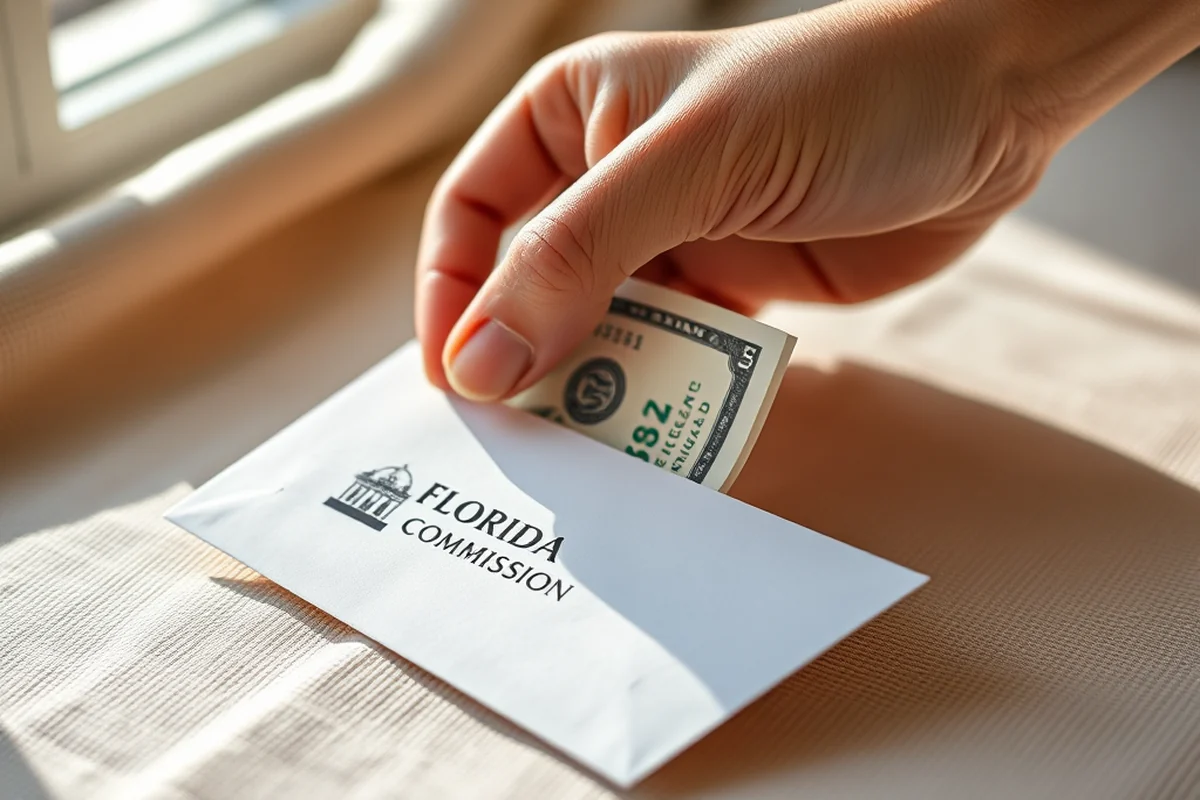
The Florida Real Estate Commission has a clear and structured licensing process. To obtain a real estate license, you must meet specific education requirements, pass a state exam, and complete a background check. These steps are non-negotiable and are designed to ensure that only qualified individuals enter the profession.
The education requirement alone took me over two months to complete. I had to take a pre-licensing course from an approved provider, which included 63 hours of coursework. It was a rigorous experience, but it prepared me for the state exam and helped me understand the legal and ethical responsibilities of being a real estate agent.[1]
The state exam is also a critical step. I had to wait over 30 days after completing my pre-licensing course before I could apply to take the exam. It's a structured timeline designed to allow candidates to prepare thoroughly.
The Florida Real Estate Commission doesn't just license professionals—it builds a foundation of trust.
Related: What is the best financial planner
Continuing Education Requirements
Continuing education is not optional for Florida real estate professionals. Every licensed agent and broker must complete a minimum of 14 hours of continuing education annually. This requirement ensures that professionals stay up-to-date with industry trends, legal changes, and ethical practices.[2]
I completed my first continuing education course within six months of becoming licensed, and it was a game-changer. The course covered topics like fair housing laws, recent changes to the Florida Statutes, and new marketing techniques. It was a valuable experience that helped me grow as a professional.
The Florida Real Estate Commission offers a variety of approved courses through online platforms, in-person classes, and workshops. This flexibility makes it easier for busy professionals to meet their continuing education requirements without compromising their work-life balance.
Set a calendar reminder for your continuing education deadline and choose a course that fits your schedule and interests.
“I still remember the day I walked into the Florida Real Estate Commission office with a folder full of documents, my hands shaking slightly.”— Financial Planning for Artists editors
Related: Is financial plan
Disciplinary Actions and Ethics

The Florida Real Estate Commission takes disciplinary actions seriously. Any licensed professional who violates real estate laws, ethical standards, or consumer protection rules can face consequences ranging from warnings to license revocation. These actions are designed to maintain the integrity of the profession.
I once met a fellow agent who received a formal warning for failing to disclose a material defect in a property. The Florida Real Estate Commission investigated the case and issued a warning, which stayed on his record for five years. This experience taught me the importance of transparency in every transaction.
The commission also offers a disciplinary history search tool, which allows consumers to check the status of a professional's license. This transparency helps build trust between agents and their clients.
Related: Write a business plan in
The Commission's Impact on Real Estate Professionals
The Florida Real Estate Commission has a lasting impact on every real estate professional in the state. From the moment you apply for your license to your final years as a broker, the commission's regulations guide your actions and influence your career trajectory.
I've seen how the commission's rules affect everything from commission splits to client interactions. For example, the FREC has clear guidelines about how agents must handle client funds, which prevents potential conflicts and ensures that all transactions are transparent.
The commission also offers a variety of resources, including dispute resolution services and legal guidance. These tools help professionals navigate complex situations without compromising their ethical standards.
Related: Claude for enterprise pricing
How to Get Involved with the Florida Real Estate Commission
The Florida Real Estate Commission encourages professional engagement and public input. Real estate professionals can participate in public comment periods, submit feedback on proposed rule changes, or even serve on advisory groups that help shape the commission's policies.
I attended a public hearing where I had the opportunity to voice my concerns about a proposed change to the continuing education requirements. It was an eye-opening experience that showed how much influence professionals can have on the industry's future.
Getting involved with the commission is a great way to stay informed and contribute to the evolution of the real estate profession in Florida.
Your voice matters with the Florida Real Estate Commission—don't stay silent.
Related: Is budget planner
The Future of the Florida Real Estate Commission
The Florida Real Estate Commission is constantly evolving to meet the needs of the real estate industry. As technology changes and new challenges arise, the commission updates its policies and regulations to reflect these shifts.
One of the most recent changes involved integrating more digital tools into the licensing process. I was able to complete my initial application and background check entirely online, which made the process much more efficient.
Looking ahead, the commission is expected to focus more on consumer protection and digital transparency. This will likely lead to more online resources and tools for both professionals and clients.
The Financial Implications of Commission Fees on Real Estate Professionals
In Florida, real estate agents typically earn a commission of around 5-6% of the sale price, split between the buyer’s and seller’s agents. For a $300,000 home sale, this means approximately $18,000 in total commission, with each agent receiving about $9,000. These fees are crucial to your income but can fluctuate depending on market conditions and negotiation skills. Understanding how these percentages break down helps you budget and plan for leaner months or high-volume seasons.[3]
Real estate professionals should track their commission rates over time to identify trends and adjust their financial strategies accordingly. For instance, if you notice that your average commission is dropping by 1% annually, this could mean a 10% decrease in income over a decade if the trend continues. Using accounting software like QuickBooks or Excel to log each transaction can provide clarity and help you project future earnings with greater accuracy.
Also, it’s important to factor in other costs such as marketing, office expenses, and continuing education, which can take up 20-30% of your gross income. By keeping these expenses in check, you can improve your net profit margin. For example, if you spend $5,000 a year on marketing and education, this could reduce your net income by nearly 15% if your gross is $33,000. Careful financial planning around these numbers is essential for long-term stability.
💰 Tight Budget Strategy
Maximize your savings by using free or low-cost continuing education options and applying for grants that support new agents.
🚀 Aggressive Payoff Plan
Accelerate your career by completing advanced education courses and obtaining a broker license as soon as possible.
📈 Irregular Income Approach
Use part-time real estate opportunities while maintaining a separate income source to ensure stability.
👫 Couples' Real Estate Career
Coordinate your career paths and divide responsibilities, such as one focusing on sales while the other manages administrative tasks.
🧭 Beginner's Roadmap
Follow a step-by-step process that includes education, exam preparation, and early client engagement.
| The mistake | Why it happens | The fix |
|---|---|---|
| Not completing all the required education hours before taking the exam. | The Florida Real Estate Commission requires 63 hours of pre-licensing education to ensure you're fully prepared for the state exam. | Complete all required education hours from an approved provider before scheduling your exam. |
| Failing to disclose a prior criminal conviction on the application. | The Florida Real Estate Commission performs background checks, and any false information can lead to disqualification. | Be honest and transparent in your application. If you have a prior conviction, consult with a legal professional before submitting your application. |
| Missing the continuing education deadline. | Failing to complete your annual continuing education hours can result in the suspension of your license. | Set reminders for your continuing education deadline and choose a course that fits your schedule. |
| Ignoring disciplinary actions or warnings from the Florida Real Estate Commission. | Disciplinary actions can range from warnings to license revocation, and ignoring them can have long-term consequences. | Respond promptly to any disciplinary actions and take the necessary steps to resolve the issue. |
Florida Real Estate Commission
Common Questions
How long does it take to get a real estate license in Florida?
What are the education requirements for becoming a real estate agent in Florida?
Can I take the Florida real estate exam online?
What happens if I fail the Florida real estate exam?
References
- Florida Real Estate License Law: Who Is Protecting the Public? (scholarship.stu.edu)
- Training | GSA (gsa.gov)
- Real Estate Brokers and Sales Agents - Bureau of Labor Statistics (bls.gov)
Cite this guide
Financial Planning for Artists (2026). Florida Real Estate Commission. https://artplanflow.com/florida-real-estate-commission/
Feel free to cite or share this guide.