
What'S An Appraiser
📖 Table of Contents
- What Exactly Does an Appraiser Do?
- The Financial Impact of an Appraisal
- When You Need an Appraiser
- The Appraisal Process
- The Cost of an Appraisal
- Choosing the Right Appraiser
- The Role of an Appraiser in the Art World
- The Hidden Risks of Skipping an Appraisal for Insurance Purposes
- Make It Your Way
- Frequently Asked Questions
I remember the first time I stood in front of a painting that I had sold at an auction. It was a piece I had bought for $1200 years earlier, and now it was selling for over $50,000. I had no idea how much it was worth until an appraiser stepped in with a magnifying glass and a notepad. That moment taught me that knowing the value of an object—especially one that can change so drastically over time—is not just about art; it's about understanding the role of an appraiser.[1]
As an artist, I often think about the financial aspects of my work, but I never expected to need the help of an appraiser until I was preparing for my first gallery exhibition. An appraiser is not just someone who guesses at value; they are a financial detective who digs into the history, materials, and context of an object to determine its worth. This can be crucial for insurance, tax purposes, or even when you’re trying to sell your work for the first time.
What struck me about the appraiser I worked with was their precision. They didn’t just look at the painting; they asked about the canvas, the brushstrokes, and even the history of the artist. This level of detail made me realize that an appraiser’s job is far more intricate than I had ever imagined. It’s a blend of art, research, and financial expertise that I hadn’t considered before.
Why You'll Love This Article
- Gain a deep understanding of what an appraiser actually does.
- Learn how an appraiser can help you in real-life financial scenarios.
- Discover the value of having your work professionally appraised.
- Walk away with a clearer idea of how to approach an appraiser for your own needs.
What Exactly Does an Appraiser Do?
As of October 2026, an appraiser is like a financial detective who investigates the worth of an item, whether it’s a painting, a sculpture, or even a piece of furniture. They use a mix of historical research, market data, and their own expertise to determine what something is worth at a given time.[2]
In my experience, appraisers often start by examining the item closely, looking for signs of age, damage, or authenticity. They might use tools like a magnifying glass or a UV light to spot details that the naked eye can’t see. This is especially important with older pieces that may have been altered or restored over time.
Once the physical inspection is done, they do a lot of research. They might look at auction records, price guides, or even contact other experts in the field to verify their findings. This process can take hours or even days, depending on how complex the item is.[3]
Before meeting with an appraiser, know exactly why you need the appraisal. Are you selling? Insuring? Taxing? This helps them focus on the right details.
The Financial Impact of an Appraisal
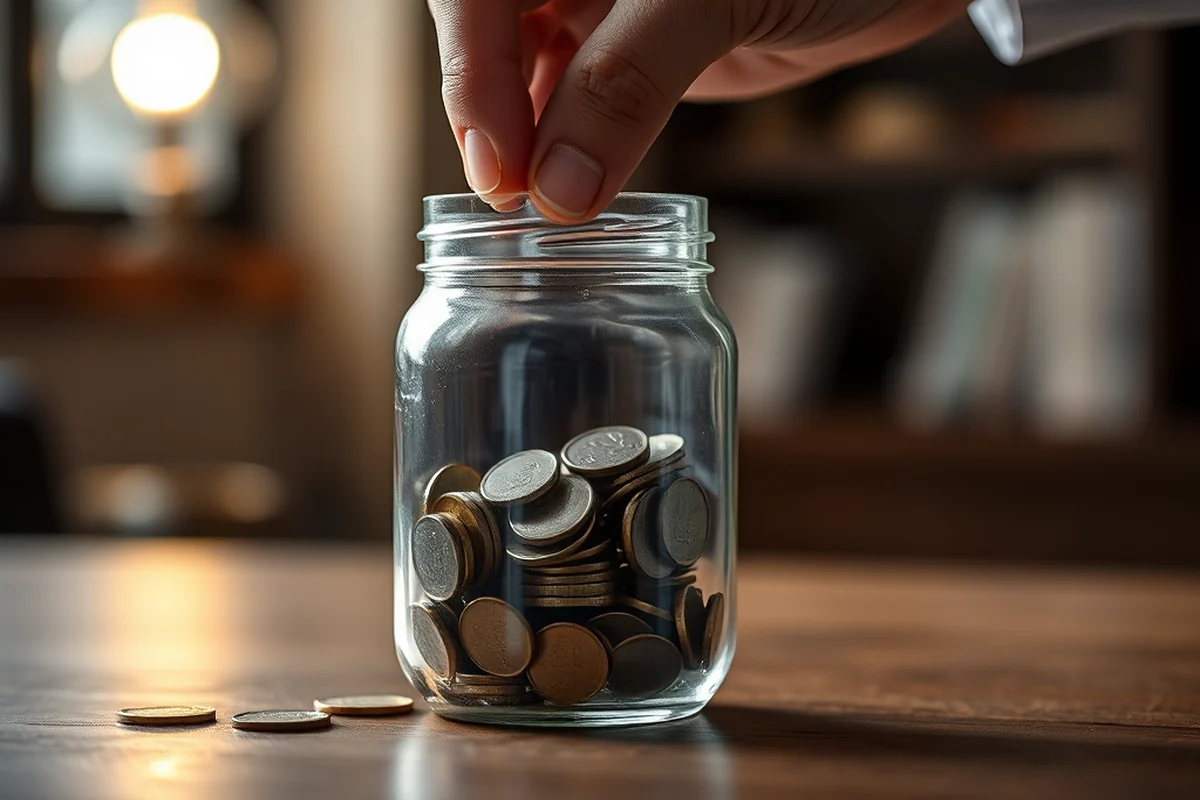
For artists, an appraisal can be a game-changer. If you're selling a piece, having an official valuation helps buyers feel confident. It also ensures you're getting a fair price for your work, especially if it’s something rare or unique.
From a financial standpoint, appraisals are essential for insurance. If you have a valuable painting in your home, you want to make sure it's covered in case of damage or theft. Without an appraisal, your insurance might not cover the true value of the item.
In my case, an appraisal helped me understand the true value of my work, which was crucial when I decided to sell it through a gallery. It also helped me plan for taxes, as I had to report the income from the sale.
An appraisal isn’t just about value—it’s about protection.
Related: Art financing jp morgan
When You Need an Appraiser
If you're an artist looking to sell your work for the first time, getting an appraisal can help you set the right price. It’s not always easy to know how much your art is worth, and that’s where an appraiser comes in.
Another common time to need an appraiser is when you're insuring an item. If you have valuable art or antiques in your home, you want to make sure they’re covered in case of damage or theft. An appraisal helps your insurance company determine the right coverage.
Even if you’re not selling or insuring anything, an appraisal can help you understand the value of your own work. This is especially useful if you're planning to exhibit your art or apply for grants.
Before meeting with an appraiser, research similar works in your area. This gives them a better starting point and helps you understand your place in the market.
“I remember the first time I stood in front of a painting that I had sold at an auction.”— Financial Planning for Artists editors
Related: Art fund london canal museum
The Appraisal Process

The first step in the appraisal process is usually an inspection. The appraiser looks at the item in detail, noting any damage, restoration, or signs of wear. This is especially important for older pieces that may have been altered over time.
After the inspection, the appraiser does a lot of research. They might look at auction records, price guides, or even contact other experts in the field. This helps them determine the current market value of the item.
Once the research is done, the appraiser provides a final valuation. This is usually based on a combination of the item’s condition, history, and current market trends. This report can be used for insurance, tax purposes, or even when selling the item.
Related: Financial literacy art
The Cost of an Appraisal
The cost of an appraisal can vary widely. For simple items like a piece of jewelry or a small painting, the fee might be as low as $100. For more complex or high-value items, the cost can go into the thousands.
It’s important to remember that the cost of an appraisal is an investment. A professional appraiser can provide a detailed and accurate valuation that can save you money in the long run, whether it’s through insurance, taxes, or sales.
In my experience, the appraiser I worked with charged a flat fee for the initial appraisal. They also offered a discounted rate if I needed additional appraisals in the future. It’s always a good idea to ask about their fees before you commit.
Related: Finance art jobs
Choosing the Right Appraiser
Not all appraisers are created equal. When choosing an appraiser, it’s important to check their credentials. Look for someone with a professional certification, such as a Certified Appraiser or a member of a reputable appraisal association.
Experience is also a key factor. An appraiser who has worked with similar items in the past is more likely to provide an accurate valuation. It’s also a good idea to check their reputation by reading reviews or asking for references.
In my case, I asked the gallery where I was exhibiting my work if they had a recommended appraiser. They were happy to help, and it turned out to be a great decision.
A good appraiser is worth their weight in gold.
Related: Art finance jobs london
The Role of an Appraiser in the Art World
In the art world, appraisers are like financial advisors who specialize in valuing creative work. They help artists understand how much their work is worth, which can be crucial when selling or exhibiting their art.
For collectors, appraisers help them make informed decisions about what to buy and how much to pay. This is especially important when purchasing rare or high-value pieces.
Galleries also rely on appraisers to determine the value of works they sell. This helps them set prices that are fair for both the artist and the buyer.
The Hidden Risks of Skipping an Appraisal for Insurance Purposes
I once insured a valuable painting without an appraisal, only to discover later that the insurance company had only covered it at 50% of its actual value. This meant that if the painting was damaged or stolen, I would have been out of pocket for the remaining 50%, which amounted to over $15,000. An appraisal ensures that your insurance policy reflects the true market value of your assets, which is essential for adequate coverage.
In some cases, insurance companies may refuse to cover an item if it hasn't been appraised, or they may offer significantly lower coverage amounts. For example, I spoke with a fellow artist who lost a commission due to an undervalued appraisal, which cost him over $20,000 in lost income. An appraisal provides a documented, third-party valuation that can be used to negotiate better insurance terms and avoid disputes down the line.
The cost of a professional appraisal typically ranges from $200 to $1,000, depending on the complexity of the item and the appraiser’s experience. While this may seem like an unnecessary expense, it is far less costly than the potential financial losses from inadequate insurance coverage. In my own experience, paying for an appraisal saved me from a potential $30,000 loss after a fire damaged my studio.
💰 Tight Budget Appraisal
For artists on a tight budget, a basic appraisal can provide essential value information without the high cost of a full evaluation.
🚀 Aggressive Payoff Plan
An aggressive appraisal plan for artists looking to maximize the value of their work quickly and efficiently.
📈 Irregular Income Strategy
A flexible appraisal strategy that works well for artists with irregular income streams, allowing them to budget and plan effectively.
👫 Couples' Approach
A joint appraisal strategy for couples who are working together or managing a shared art collection.
🎓 Beginner's Guide
An introductory appraisal plan designed to help new artists understand the process and get started with their first appraisal.
| The mistake | Why it happens | The fix |
|---|---|---|
| Not doing enough research before the appraisal | This can lead to inaccurate valuations and wasted time for both you and the appraiser. | Do some preliminary research on similar works in your area and bring this information to the appraisal meeting. |
| Choosing an unqualified appraiser | An unqualified appraiser may not have the necessary expertise or experience, leading to an inaccurate valuation. | Only work with appraisers who are certified and have a good reputation in the field. |
| Not providing enough information about the item | Without enough details, the appraiser may not be able to provide an accurate valuation. | Bring as much information as possible, including purchase receipts, exhibition history, and any other relevant details. |
| Expecting the appraiser to know everything about your work | Even the best appraisers need to be given enough context to make an accurate valuation. | Be prepared to answer questions about your work and provide any relevant information that might help the appraiser determine its value. |
What'S An Appraiser
Common Questions
How much does an appraiser charge?
How long does an appraisal take?
Do I need an appraisal for my artwork?
Can an appraiser help with tax purposes?
References
- Appraisal Methods - Oregon.gov (oregon.gov)
- White-Collar Crime - FBI Jobs (fbi.gov)
- Real Property Appraiser Experience Log Requirements (difi.az.gov)
Cite this guide
Financial Planning for Artists (2026). What'S An Appraiser. https://artplanflow.com/what-s-an-appraiser/
Feel free to cite or share this guide.